
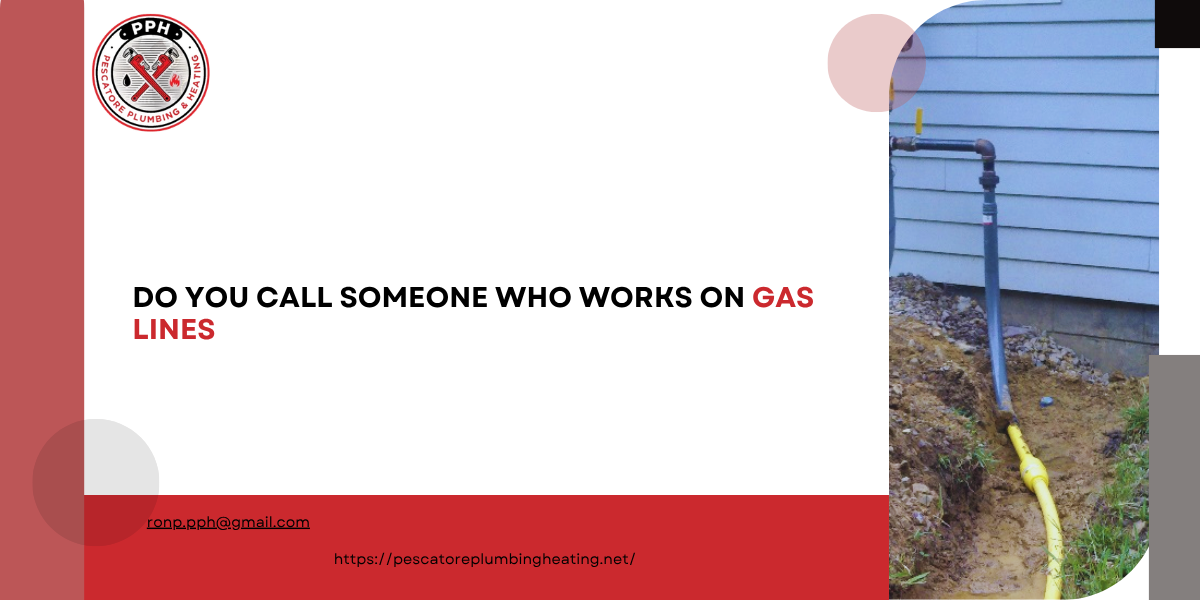
Gas lines are needed to make use of the stove, water heater, and furnace efficiently. Working with natural gas requires special tools and extensive safety training. When you know when to call a professional, your home will keep functioning, and your family will remain safe. Pescatore Plumbing and Heating LLC is here to tell you when to call someone who works on gas lines so you can get the right gas line services when needed.
What Are Professional Gas Line Services?
The installation, maintenance, and gas line repair are all part of gas line services. Licensed professionals do all these things so that you don’t suffer from dangerous leakage in your home. They provide a reliable and safe source of fuel to your gas-powered appliances.
Main Gas Line → Safe Copper or Black Iron Pipes → Appliance Connection
What Gas Line Services Are For?
- Gas leak detection
- Complete gas line installation
- Pipe repair or replacement
- Hooking up appliances
- Test run after installation
What Can You Call a Gas Line Technician For?
Finding a Leak: Concealed cracks in gas lines are found using the latest equipment with sensors.
Repairing the Pipes: Rusted or damaged old metal pipes are repaired or replaced depending on the condition.
Gas Line Installation: Installs new gas lines in new constructions or remodeled spaces.
Appliance Hookups: Gas stoves, water heaters, and outdoor grill connections with the fuel line.
System Testing: Measure the pressure to make sure that there are no pressure drops in your system.
When Is It Time to Call a Certified Gas Line Specialist
When choosing the best type of heating for a house, safety should always come first—especially if you opt for natural gas. The majority of homeowners believe that gas pipes are similar to water pipes. Do not use retail plumbing tape to repair a gas line. A certified gas line specialist has the special training needed to work with high-pressure fuel safely.
When you notice any of the following symptoms, call a gas line technician:
| Situation | Is DIY Possible? | Why Call a Gas Line Technician? |
| Smelling Rotten Odors | Absolutely not. | Quick leak detection and emergency stop. |
| Moving a Gas Stove | No, it can be dangerous. | Extruding and leakless sealing of pipes with high precision. |
| Installing a Fireplace | No, it violates code. | Installing and checking structural gas lines. |
| Low Appliance Heat | No, it is unsafe. | Pressure testing to identify any blockages or obstructions in pipes. |
The Importance of Professional Diagnostics
Natural gas does not have any smell. The sulfur-like smell is added to it. This odor protects you as an instant warning signal.
A professional gas line technician uses specialized bubbling solutions and tools to find the precise leak point right away.
Signs You Need Someone to Work on Your Gas Line
Both installation and repair of gas lines are dangerous to do on your own. You might not realize yourself when help is needed. But your line will show some signs that are enough to figure out you need to call someone.
- Hissing Sounds:
A high-pressure leak causes your appliances to make hissing sounds.
- Dying Grass:
Yellow, dead grass in lawn areas above underground gas lines.
- Surprising Bill:
A big increase in gas bills with no rise in consumption.
- Rusting Pipes:
Rust on older iron pipes or white powder on pipes.
- Slow Appliances:
Water heats up slowly, or the stove’s flames are weak.
Professional for Gas Line Services: Do You Actually Need Them
When professionals install a gas line, each joint is tested with a digital pressure gauge to ensure that it is absolutely airtight.
Experts invest in safety training for all of their technicians. Experts have specific containment equipment on emergency vehicles to quickly control hazards.
All installations are guaranteed to pass the local building safety inspection immediately the first time.
Final Thoughts
Gas lines are important yet must be handled with respect and expertise at all times. Hiring a professional can ensure your property investment and keep things running safely for a long time. Never take chances with natural gas trust the professionals!
Frequently Asked Questions
-
If I smell gas in my house, what should I do first?
Get out of the house and do not turn any lighting on or off. Call the gas company or emergency services from a distance away from the house.
-
Are all plumbers gas line specialists?
Not always. Many plumbers are qualified in water work, but some also have qualifications to work on gas lines. Make sure to inquire whether they have a special gas license.
-
What is the time needed for installing a new gas line?
It only takes 1-2 hours to set up an appliance. Long, intricate lines can be run in walls or underground in a full day of work.
-
Do all my gas lines need to be connected with rigid hoses?
Flexible hoses can be used for connecting the appliance to the wall outlet. The main pipes behind the walls should be made from solid metal or approved, non-compliant, rigid materials.
-
How many times a year should I get my home gas lines inspected?
An annual tune-up is recommended. So it’s a no-brainer to use this in conjunction with an annual furnace tune-up.